18/06/2026
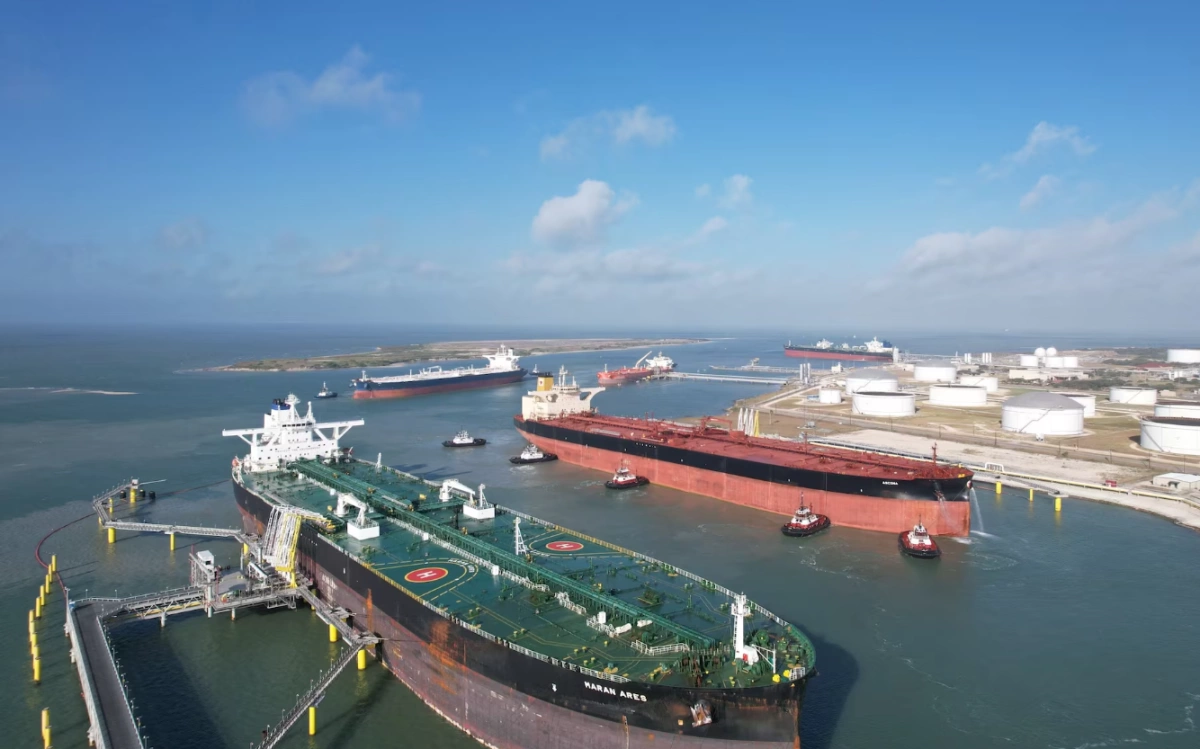
Crude Oil Prices Fall Below 80 USD Impacting Vietnam Rubber Market
WTI crude oil prices drop below 80 USD following US-Iran agreement directly affecting feedstock costs in Vietnam rubber sector.
Read more

Discover all our news, updates, and insights
WTI crude oil prices drop below 80 USD following US-Iran agreement directly affecting feedstock costs in Vietnam rubber sector.
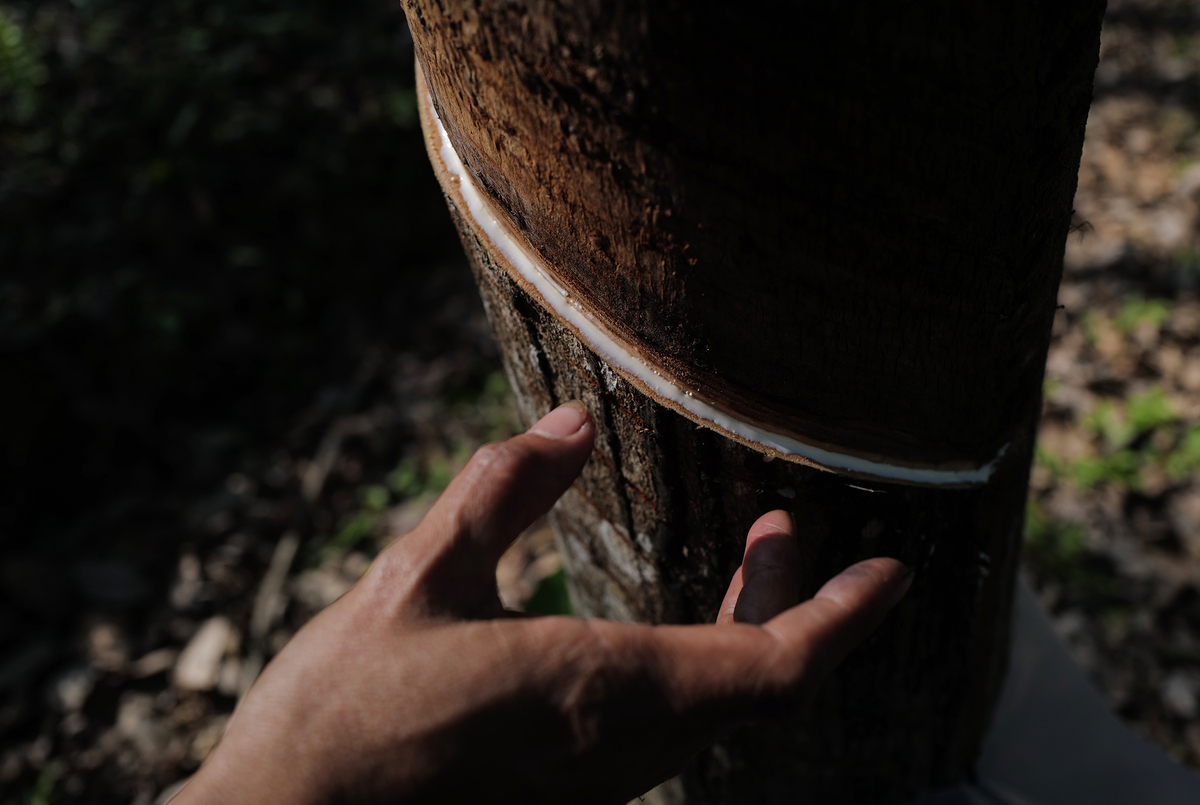
Vietnam Rubber Industry Group forecasts record revenue near 33 trillion VND in 2026 on rising rubber prices, though profit may decline.
IRSG Q1 2026 report shows marginal global rubber production growth amid weak demand shaped by geopolitical tensions, directly impacting Vietnam rubber exports.
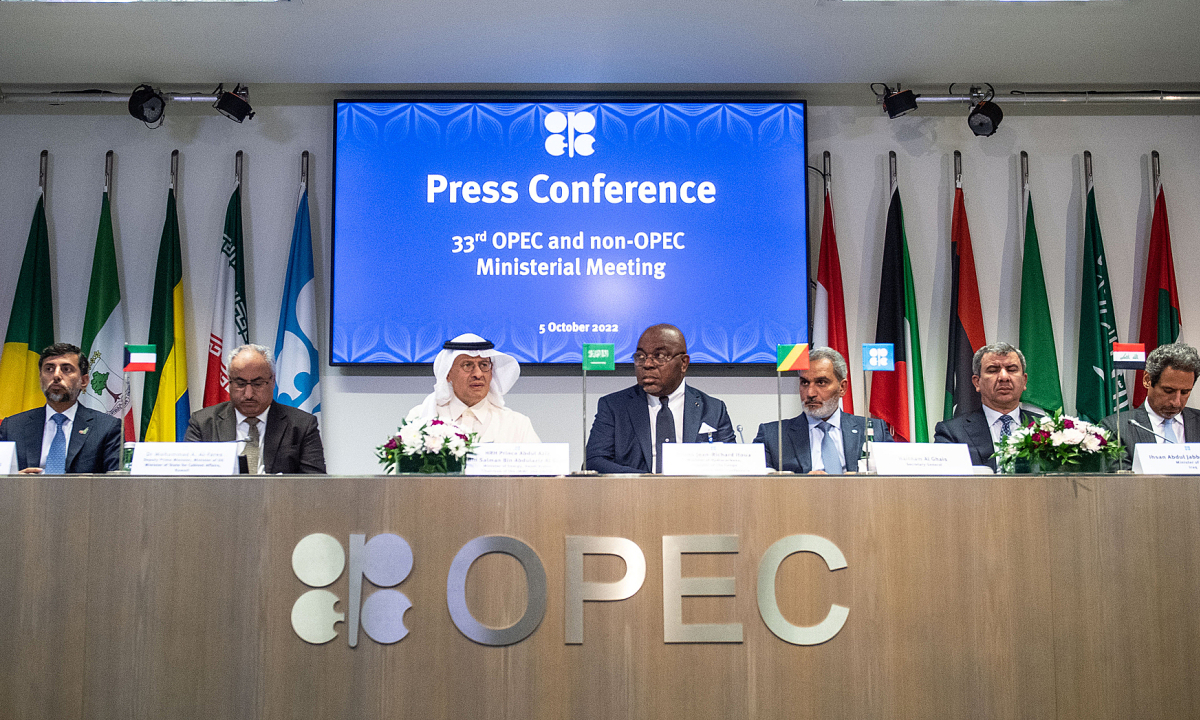
UAE's departure from OPEC results in a 4% loss in production market share, weakening oil price control and impacting petrochemical feedstock costs for the rubber industry.
Tyre recycling is turning waste into resources for the rubber supply chain, promoting circular economy in the tyre and natural rubber sectors.
Major oil companies like Exxon Mobil, Chevron, and BP are investing billions in new oil and gas exploration outside the Middle East to mitigate risks, potentially stabilizing petrochemical feedstocks for synthetic rubber and affecting Vietnam's natural rubber market.

Vietnam's small-scale agriculture faces significant challenges from fragmented land, hindering modernization and perpetuating the good harvest bad price cycle, directly impacting the natural rubber supply chain.
The Malaysian Rubber Glove Manufacturers Association (MARGMA) is grappling with a shortage of Nitrile Butadiene Rubber latex (NBR) due to Middle East geopolitical issues, urging the government to implement temporary relief measures for the glove industry.

Fertilizer and animal feed prices rise 5-11% due to surging oil costs, increasing production expenses for natural rubber in Vietnam.

Global oil prices continue to rise amid concerns over prolonged conflicts and potential US strikes on Iranian oil facilities, increasing production costs for Vietnam's rubber industry.
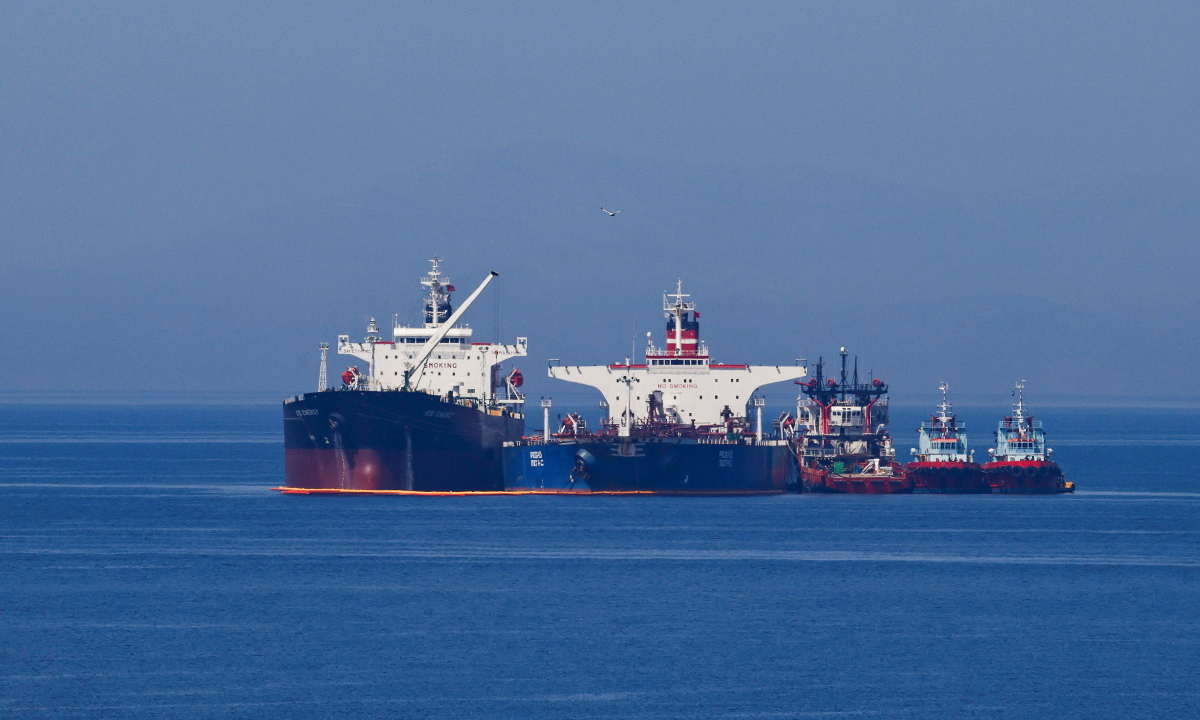
Global oil prices jumped about 6 USD per barrel following President Trump's warning of continued airstrikes on Iran for 2-3 weeks, impacting synthetic rubber raw material costs and the global rubber market.

The Middle East conflict is driving up oil prices and shipping costs, severely impacting Vietnam's agricultural exports, including rubber. The Ministry of Agriculture proposes debt deferral and market expansion to help businesses overcome challenges.